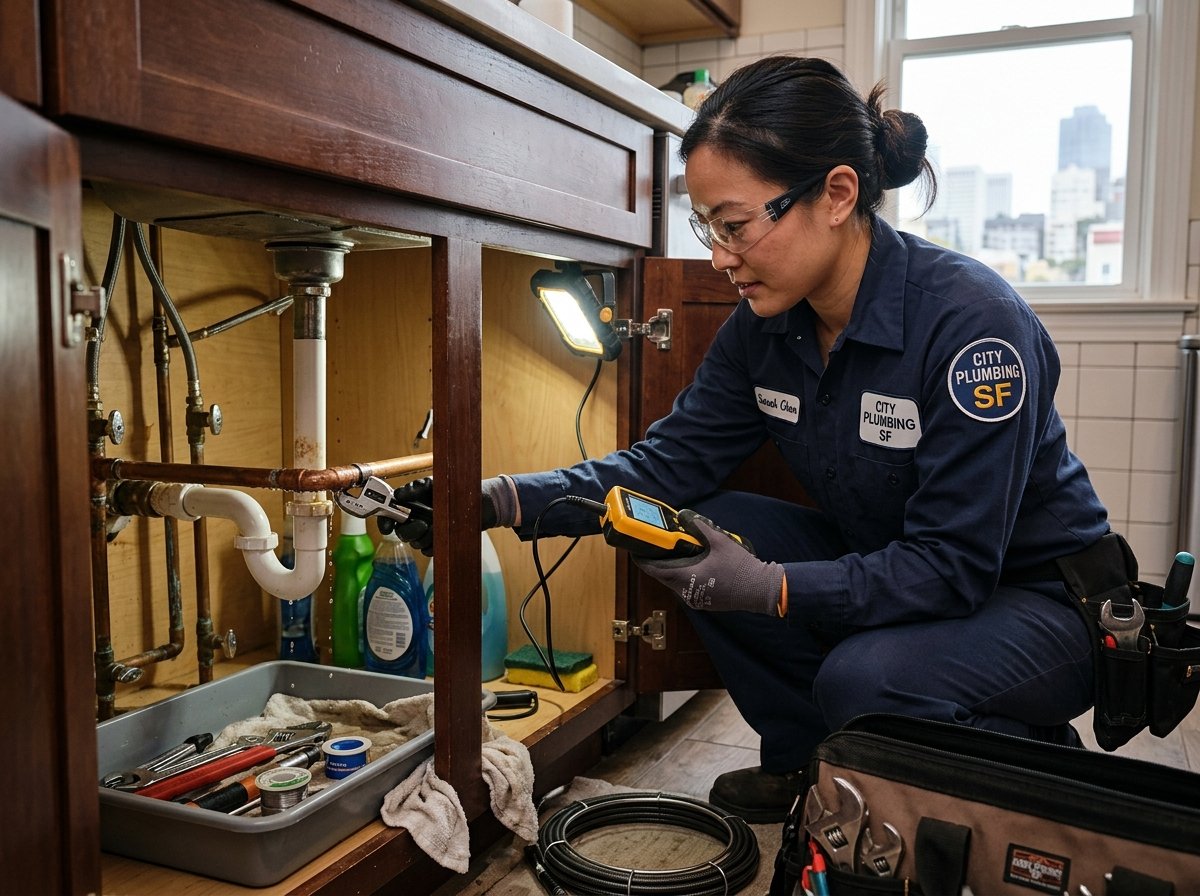
Signs You May Have a Water Leak
While sudden pipe ruptures make themselves known immediately, the vast majority of water damage stems from insidious, low-volume leaks that slowly degrade building materials for weeks or months before breaking through finished drywall. Watch for these 10 distinct warning signs:
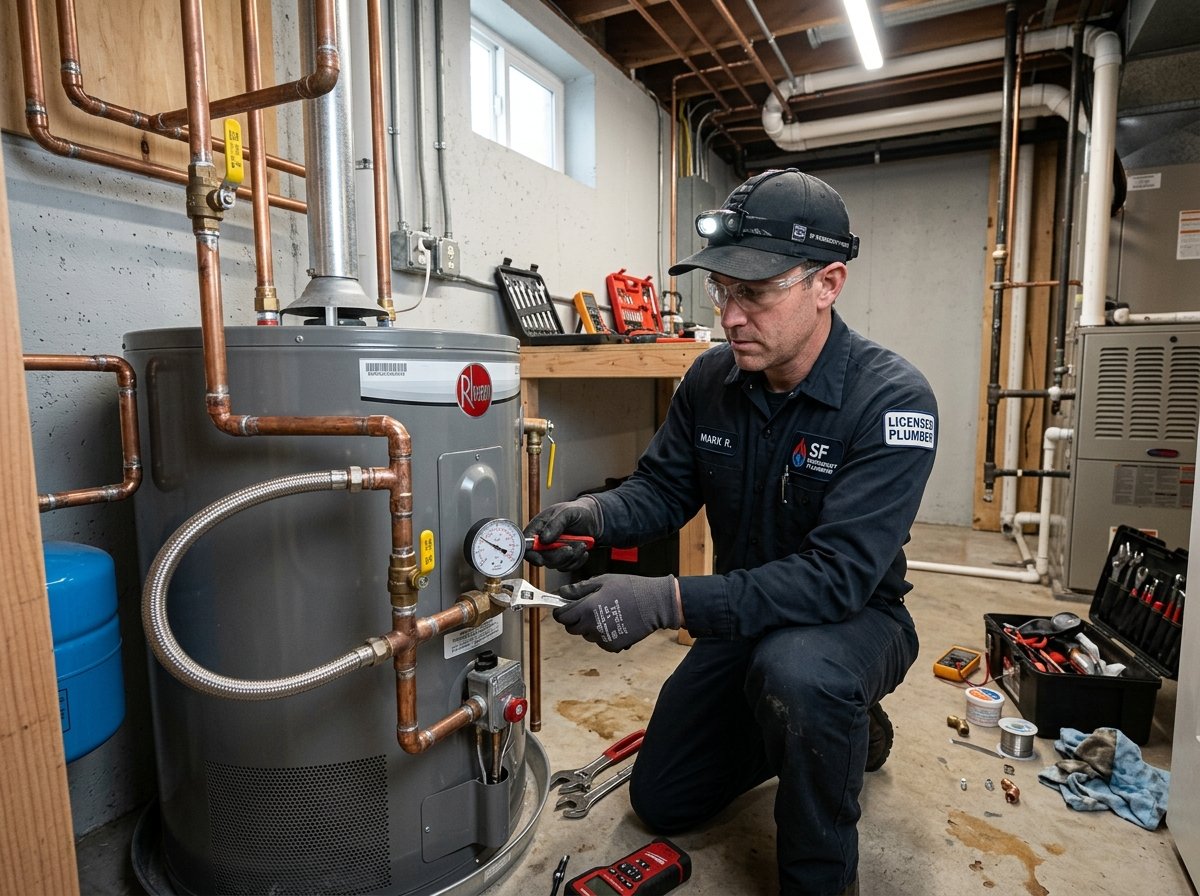
- Visible Dripping or Pooling Water: Water collecting under sink cabinets, around the base of the toilet, or beneath your water heater.
- Damp, Spongy, or Discolored Drywall: Yellowish or brownish water stains expanding across interior walls or ceiling plaster.
- Peeling Paint or Blistering Wallpaper: Moisture breaking the adhesive bond between paint/wallpaper and gypsum backing.
- Persistent Musty Odors: Earthy, damp mildew smells in hallways, closets, or bathrooms with no obvious standing water.
- Mold Colonization Along Baseboards: Dark spots developing on wood trim, carpet tacks, or grout lines.
- Unexplained Utility Bill Spikes: Sudden increases on your monthly Norwalk Water Division water bill without an increase in household occupants.
- Spinning Water Meter Indicator: The low-flow leak detection triangle or digital counter on your city water meter rotating while all indoor fixtures are closed.
- Continuous Hissing or Running Water Sounds: Faint whistling or rushing sounds inside walls when appliances are turned off.
- Warping Hardwood or Loose Floor Tiles: Buckling floorboards, spongy linoleum, or hollow-sounding floor tiles.
- Unexplained Drop in Domestic Water Pressure: Sudden reductions in shower or faucet volume caused by volume escaping through a split supply line.
What Causes Water Leaks?
Plumbing leaks develop from a combination of material aging, excessive physical pressure, and environmental stresses:
- Galvanized Pipe Corrosion & Tuberculation: Older homes with galvanized iron supply lines suffer internal rust accumulation that eats away the pipe wall until pinholes form.
- Excessive Municipal Water Pressure: Water pressure exceeding 80 PSI stresses soldered copper joints, rubber flex lines, and faucet valves.
- Deteriorated Gaskets & Supply Connectors: Braided stainless steel supply lines to toilets and washing machines contain inner rubber cores that become brittle after 5 to 7 years.
- Drain & Sewer Lateral Cracks: Shifts in foundation soil or tree root intrusion can crack secondary drain branches, allowing wastewater to seep into subflooring.
- Corrosive Water Chemistry & Electrolysis: Acidic water or improper galvanic contact between dissimilar metals (like copper directly touching galvanized steel) causes rapid localized galvanic corrosion.
Where Do Water Leaks Usually Happen?
Plumbing leaks generally cluster around mechanical connections, high-vibration fixtures, or concealed pipe cavities. Use this reference matrix to identify common warning signs:
How to Find the Source of a Water Leak Safely
Water follows gravity and capillary action along structural joists, pipes, and electrical cables. This means the wet spot on your ceiling or wall may be several feet away from the actual pipe rupture.
Follow these safe, non-invasive steps to locate potential sources:
- The Water Meter Test: Ensure all water fixtures, faucets, ice makers, and washing machines are shut off. Check your municipal water meter. If the low-flow indicator wheel is turning, you have an active leak on the pressurized supply side of your plumbing system.
- Inspect Fixtures Directly Above the Moisture: If water is appearing on a first-floor ceiling, inspect the bathroom or kitchen directly overhead. Check around the toilet base, shower enclosure caulking, and under the vanity sink.
- Perform a Fixture Isolation Check: If the leak occurs only when someone is actively showering or running a bath, the issue is on the drain/overflow side or shower valve trim rather than a pressurized main line.
- Check Accessible Shutoffs & Flex Lines: Inspect shutoff valves beneath sinks and toilets using a dry paper towel to spot slow weeping around packing nuts and crimp rings.
Safety Rule: Avoid Aggressive Demolition
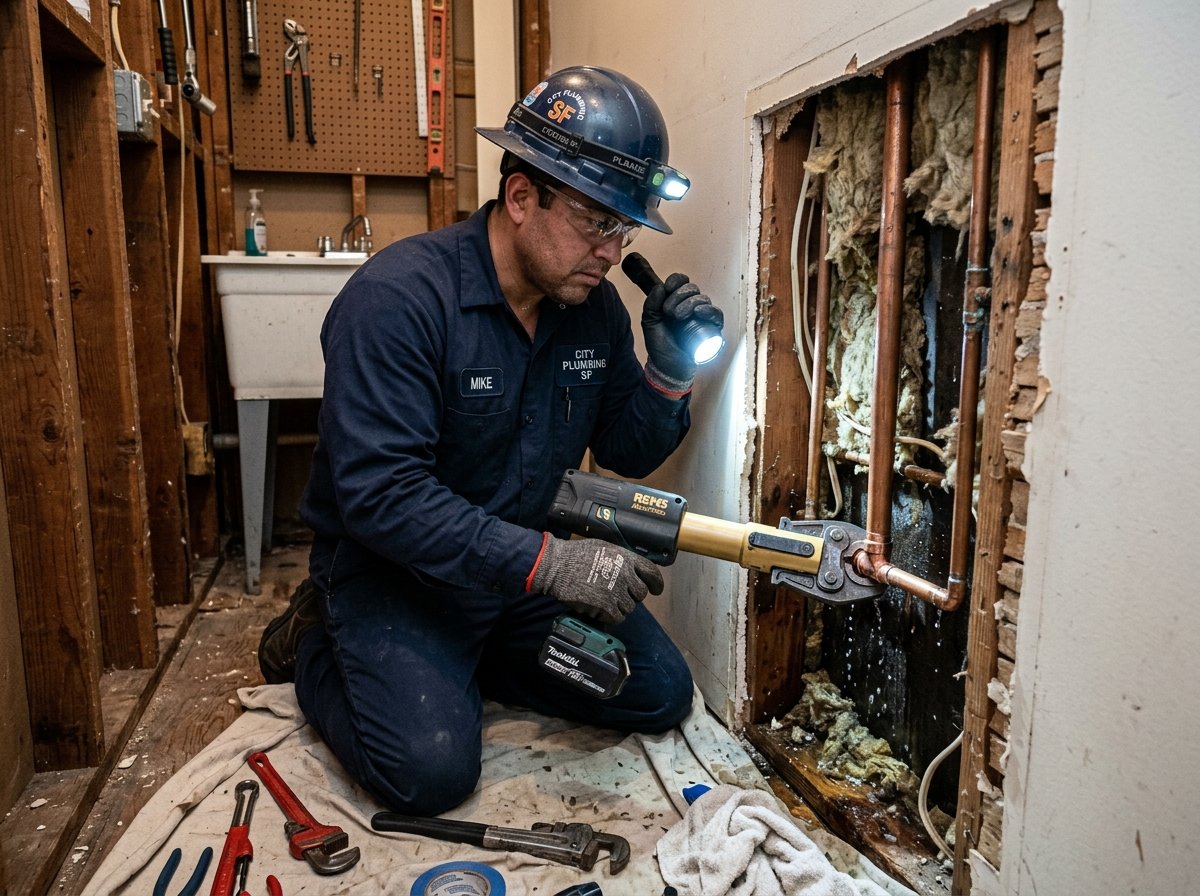
Never cut into drywall or pry up flooring blindly. Wall cavities house electrical wiring, gas lines, and structural framing. Professional plumbers use non-destructive acoustic sensors and thermal cameras to pinpoint leaks before making clean, targeted openings.
What to Do When You Discover a Water Leak
Take immediate action to contain moisture and protect your home:
- Shut Off the Water Source: If the leak is isolated to a specific fixture (like a toilet or faucet), close the local shutoff stop clockwise. If the leak is inside a wall or cannot be stopped locally, close the property's main water shutoff valve immediately.
- Depressurize the Line: Open the lowest faucet in the building to drain remaining water out through controlled channels.
- Eliminate Electrical Hazards: Switch off the breaker to the affected room if water is pooling near outlets, baseboard heaters, or light fixtures.
- Document Visible Damage: Take clear photographs and video of all damaged building materials, furniture, and wet drywall for insurance claims before moving items.
- Call a Qualified Emergency Plumber: Contact an emergency plumbing technician to isolate, cut out, and replace the failing pipe section.
Need Emergency Water Leak Repair in Norwalk?
From hidden pinhole leaks behind plaster walls to urgent ceiling drips and supply line blowouts, our licensed emergency plumbing specialists provide rapid 24/7 leak detection and repair across all Norwalk & Gateway neighborhoods.
When Is a Water Leak a Plumbing Emergency?
Not every plumbing issue requires an emergency 2:00 AM dispatch. Use this comparison table to gauge urgency:
Can You Fix a Water Leak Yourself?
Homeowners can safely tackle accessible, low-risk repairs such as tightening a loose P-trap slip nut or replacing a worn faucet aerator washer. However, professional diagnosis and repair are strongly advised when:
- The leak is located behind finished drywall, inside a ceiling, or under a foundation slab.
- A pressurized water pipe has developed a pinhole, split seam, or failed solder joint.
- The water shutoff valve fails to stop flow completely.
- The leak is originating from a water heater tank, boiler, or main gas line.
- You require code-compliant copper sweat soldering, press fittings, or PEX repiping.
How Do Plumbers Find Hidden Water Leaks?
When a leak is hidden inside walls or underground, experienced technicians utilize non-destructive diagnostic technology to isolate the failure point without unnecessary demolition:
- Acoustic Listening Sensors: High-sensitivity ground microphones detect the ultra-high frequency vibrations of pressurized water escaping through hairline pipe cracks.
- Thermal Imaging Cameras: Infrared thermography detects subtle temperature differentials caused by moisture evaporation and hot water line ruptures behind drywall and beneath flooring.
- Digital Moisture Meters: Pinless radio frequency sensors map the perimeter of hidden dampness within wall framing and subfloors.
- Hydrostatic Isolation Testing: Pressure gauges isolate individual plumbing branches to verify line integrity.
Why You Shouldn't Ignore a Water Leak
Allowing a small leak to continue unattended can lead to extensive structural and financial consequences:
- Structural Wood Rot: Continuous moisture softens floor joists, subflooring, and wall studs, leading to sagging floors and expensive framing repairs.
- Rapid Mold Colonization: Mold and fungal spores flourish within 24 to 48 hours in damp, dark wall cavities, releasing airborne allergens into living areas.
- Escalating Utility Bills: A small 1/32-inch pinhole leak in a pressurized pipe wastes upwards of 6,000 gallons of water per month.
- Insurance Complications: Insurance carriers often deny claims if water damage is determined to be the result of a long-standing, unresolved leak rather than a sudden, accidental failure.
Water Leak Repair in Norwalk Properties
Plumbing systems across Norwalk encounter specific architectural and environmental demands:
From established residential neighborhoods in Downey to homes and commercial properties in Santa Fe Springs and La Mirada, many properties feature aging galvanized iron lines, shared vertical multi-family risers, and tight crawl spaces. Furthermore, Norwalk's coastal marine layer and high municipal water pressure (often 90–110+ PSI on hilltops like Bellflower and Cerritos) accelerate wear on older plumbing fittings.
All replacement pipe repairs must adhere to the California Plumbing Code (CPC) and local City of Norwalk Building & Safety Division standards, using certified Type L copper or approved PEX-a piping with proper seismic wall strapping.
Frequently Asked Questions About Water Leaks
Key signs include peeling paint, damp or soft drywall, musty odors, faint hissing sounds inside walls, a spinning water meter when no fixtures are running, and unexplained spikes on your monthly water bill.
Yes. Under typical 60+ PSI household pressure, a tiny pinhole leak releases hundreds of gallons of water per day inside enclosed walls, rotting framing studs, warping hardwood subfloors, and generating black mold within 48 hours.
Locate the local fixture shutoff valve (beneath the sink or behind the toilet) and turn it clockwise. If the leak is inside a wall or cannot be isolated locally, turn off the property's main water shutoff valve in the basement garage or sidewalk meter box.
Cost depends on the location and accessibility of the pipe (e.g., exposed basement pipe vs. concealed ceiling or under-slab leak), the pipe material, and the extent of replacement needed. A licensed technician evaluates the failure point and provides a clear repair quote.
Non-invasive acoustic or thermal leak detection typically takes 45 to 90 minutes. Standard sectional copper or PEX pipe repairs are usually completed within 1 to 3 hours once the line is exposed.
The Bottom Line
A water leak should never be ignored. By recognizing the early warning signs, performing safe visual checks, isolating the water supply promptly, and securing professional leak detection, you can protect your Norwalk property from catastrophic water damage and expensive structural repairs.
Found a Water Leak? Get Fast 24/7 Service in Norwalk
Don't let a hidden leak damage your home. Our licensed emergency plumbing team provides advanced acoustic leak detection, pipe repair, and repiping across all Norwalk neighborhoods.
- California Plumbing Code (Title 24, Part 5) – Water Supply and Distribution Regulations
- Norwalk Public Utilities Commission (Norwalk Water Division) – Water Conservation & Leak Detection Guidelines
- American Society of Plumbing Engineers (ASPE) – Domestic Water Pipe Sizing and Pressure Standards