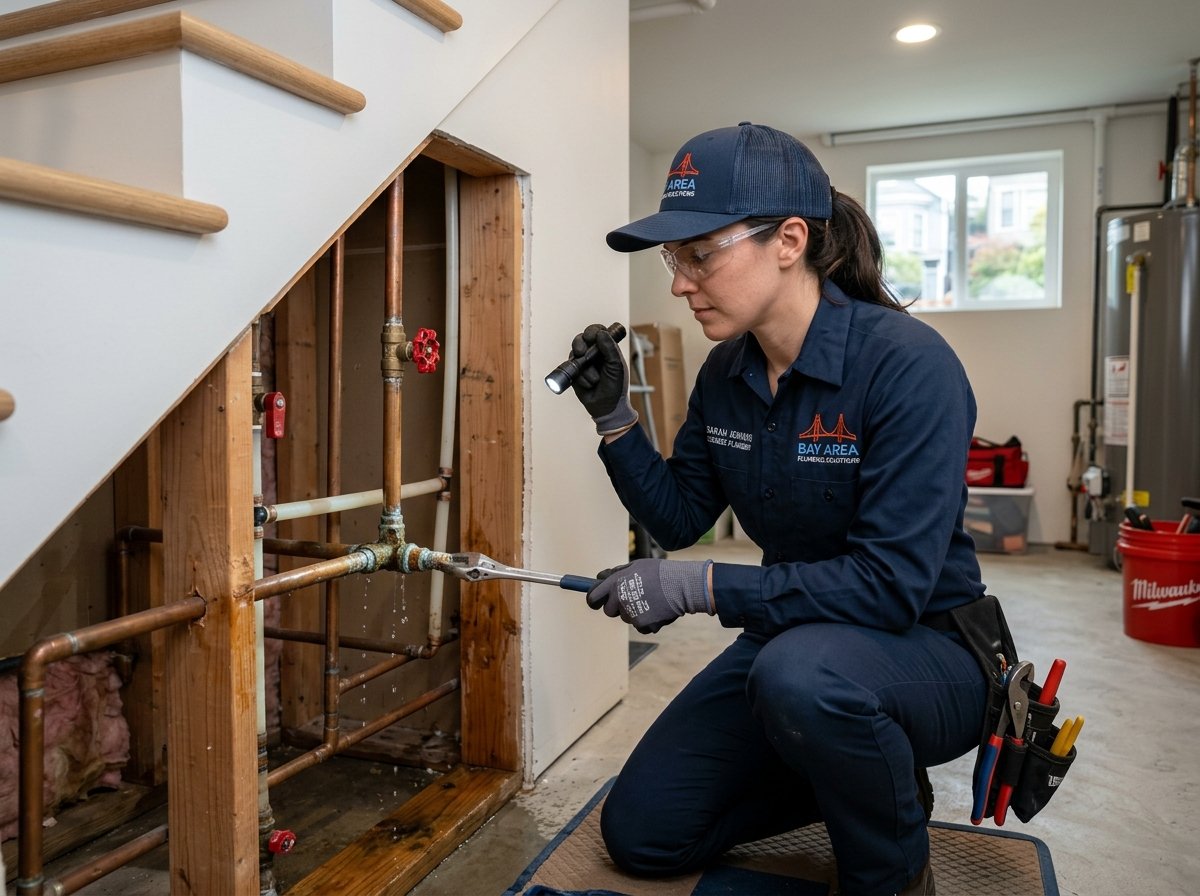
Whether you are struggling with a weak shower stream in the morning, watching your washing machine take an eternity to fill, or noticing that turning on the kitchen sink drops flow everywhere else, low water pressure is among the most widespread residential plumbing complaints.
However, low water pressure is not a standalone problem—it is a symptom of a specific mechanical restriction, valve setting, structural pipe condition, or hidden water loss in your plumbing system. Understanding how to methodically diagnose the issue will help you fix simple fixture clogs yourself while knowing exactly when to bring in a licensed plumbing professional.
1. What Is Considered Low Water Pressure?
Water pressure is measured in pounds per square inch (PSI). It represents the physical force with which municipal water moves through your property's supply pipes:
- Normal Residential Range: In most homes, ideal municipal water pressure ranges between 45 and 65 PSI. This provides robust shower streams and rapid fixture fill times without placing undue strain on pipe joints and appliance valves.
- Low Water Pressure: Pressure dropping below 40 PSI feels noticeably weak. Below 30 PSI, high-demand fixtures (like multi-head showers or irrigation systems) will struggle to function.
- Excessive Water Pressure (Hazard): Pressure exceeding 80 PSI violates California Plumbing Code standards. It can blow out water heater tanks, cause noisy water hammer, rupture washing machine hoses, and void fixture warranties.
It is also important to distinguish between water pressure (the static force inside the pipes) and water volume/flow rate (measured in gallons per minute, or GPM). A home may have adequate static PSI, but corroded or undersized pipes will cause the flow volume to instantly collapse the moment two fixtures are opened simultaneously.
2. Common Causes of Low Water Pressure in a House
Low water pressure typically originates from one of eight distinct mechanical, plumbing, or municipal causes:
1. Partially Closed Main Water Shutoff Valve
Your home has at least one master shutoff valve (often located in the basement, garage, or front meter box). If municipal water technicians or previous contractors recently serviced your plumbing, the gate valve or ball valve may have been reopened only 75% or halfway, substantially restricting total water intake into the building.
2. Clogged Faucet Aerator or Showerhead Screen
If weak pressure is isolated strictly to a single bathroom sink or master shower, mineral scale (calcium and magnesium) or dislodged pipe sediment has likely accumulated on the fine mesh screen of the aerator or internal flow restrictor.
3. Failing Pressure Reducing Valve (PRV / Regulator)
Homes connected to high-pressure municipal mains utilize a bell-shaped brass Pressure Reducing Valve (PRV) installed on the incoming supply line. Over 10 to 15 years, the internal spring, diaphragm, or bypass mechanism inside the PRV fatigues, causing it to throttle pressure down dramatically across the entire structure.
4. Concealed Water Line Leaks
A cracked underground water service line, subfloor copper pinhole leak, or concealed slab leak diverts pressurized water before it ever reaches your upstairs fixtures. If pressure suddenly dropped and you notice unexplained water meter spinning or warm spots on floors, a major leak is likely.
5. Internal Galvanized Pipe Corrosion (Tuberculation)
In homes constructed prior to the 1960s, original galvanized steel water pipes corrode from the inside out. Decades of mineral oxidation create thick, rust-like crusts (tuberculation) that reduce a 3/4-inch pipe's internal diameter down to the width of a pencil, severely choking water flow.
6. Water Heater Sediment & Scaling
If your water pressure is powerful when running cold water but drops to a trickle whenever you select hot water, heavy mineral sediment inside your water heater tank or calcified copper hot-supply lines are restricting flow.
7. Inadequately Sized Supply Lines
Modern home additions, added master bathrooms, or high-flow fixtures connected to old 1/2-inch trunk supply lines cannot support simultaneous water demand. When one person flushes or runs laundry, pressure drops throughout the rest of the house.
8. Municipal Water Supply Fluctuations
Occasionally, municipal water main maintenance, nearby fire hydrant usage, or neighborhood line breaks by utility providers can cause temporary pressure drops across an entire city block.
3. How to Find the Cause of Low Water Pressure (Troubleshooting Flow)
Follow this step-by-step diagnostic workflow to isolate the origin of your pressure loss:
Low Water Pressure Troubleshooting Decision Tree
Is the weak pressure isolated to ONE fixture?
YES: Remove and clean the faucet aerator or showerhead in vinegar. Inspect the fixture's individual under-sink shutoff valve.
NO: Proceed to Step 2.
Is the pressure low on HOT water only?
YES: The restriction is located in your water heater shutoff valve, tank sediment accumulation, or hot-water outlet line.
NO (Both Hot & Cold Affected): Proceed to Step 3.
Are your main shutoff valves 100% open?
CHECK: Inspect both the street meter valve and your house main shutoff. Ball valves must be parallel to the pipe; gate valves must be turned fully counter-clockwise.
Did pressure drop suddenly with no explanation?
CHECK FOR LEAKS: Shut off all faucets and check your water meter's leak indicator dial. If it is spinning, or you hear hissing water in walls, call an emergency plumber immediately.
Struggling With Low Water Pressure in Norwalk?
Our licensed emergency plumbers carry precision digital pressure gauges, electronic leak detection equipment, and commercial pressure regulator replacements to restore full flow fast.
4. How to Check Your Home's Water Pressure with a Gauge
Homeowners can verify their true system pressure using an inexpensive, screw-on water pressure test gauge (available at any local hardware store):
- Select an Unregulated Test Port: Choose an outdoor hose bib (spigot) or the washing machine cold water tap closest to where the main water line enters the home.
- Ensure All Water Is Off: Verify that no faucets, dishwashers, irrigation zones, or ice makers are actively drawing water during the test.
- Thread the Gauge On Firmly: Screw the 3/4-inch female hose connection of the pressure gauge tightly onto the spigot threads. Hand-tighten until the rubber washer seals.
- Open the Spigot Fully: Turn the faucet handle all the way counter-clockwise and read the dial indicator on the gauge face.
- Interpret the Results:
- 45–65 PSI: Optimal residential water pressure.
- Below 40 PSI: Low pressure requiring investigation of valves, PRVs, or supply piping.
- Above 75–80 PSI: Excessive pressure requiring immediate PRV installation or adjustment.
5. How to Increase Water Pressure in Your House
Applying the correct remedy depends directly upon the root cause identified during diagnostics:
Clean or Replace Clogged Fixtures & Aerators
Unscrew the small round aerator fitting at the tip of your faucet spout with pliers (wrap the finish in a cloth to prevent scratching). Soak the disassembled screen and flow disc in warm white vinegar for 2 to 4 hours to dissolve calcified scale. Rinse thoroughly and reinstall.
Fully Open Main and Fixture Shutoff Valves
Inspect all supply line valves. For modern lever-style ball valves, ensure the handle is perfectly aligned (parallel) with the copper pipe. For older round-wheel gate valves, turn the wheel counter-clockwise until it stops completely.
Adjust or Replace the Pressure Reducing Valve (PRV)
If your incoming municipal water pressure is strong but household pressure is sluggish, your PRV may need adjustment or replacement. The top of the PRV features an adjustment locknut and screw. Loosening the locknut and turning the screw clockwise increases downstream pressure. If adjusting the screw yields no change, the internal diaphragm has seized and the valve must be replaced by a licensed plumber.
Locate and Repair Hidden Water Leaks
Concealed pipe leaks in crawlspaces, under concrete slabs, or behind walls divert flow and reduce system pressure. Contact a professional for acoustic or thermal leak detection to isolate and repair damaged pipe segments before structural damage occurs.
Repipe Aging Galvanized Steel Plumbing
If your home's water pressure has steadily declined over years due to internal rust scaling, no amount of regulator tweaking will fix the problem. Performing a targeted whole-home repipe with modern Type L copper or PEX tubing restores maximum flow and eliminates discolored water.
Install a Constant Pressure Booster Pump
In properties located at the crest of steep municipal elevation zones where city main pressure is inherently weak (below 35 PSI), installing an electric constant-pressure booster pump system with a diaphragm expansion tank ensures reliable multi-fixture flow.
6. What You Can Check Yourself vs. What Requires a Plumber
Use this quick comparison table to determine whether you can resolve your water pressure issue safely or should contact a licensed plumbing professional:
7. 7 Signs Your Low Water Pressure Needs Professional Attention
If your weak water flow is accompanied by any of these warning signs, avoid random DIY fixes and schedule a professional inspection:
- Sudden, Dramatic Pressure Drop: Water flow across the entire building drops overnight without scheduled municipal maintenance.
- Spinning Water Meter Indicator: The low-flow leak indicator on your water meter moves even when every faucet is completely turned off.
- Discolored or Rust-Tinged Water: Brown, yellow, or metallic-smelling water accompanies weak flow (indicating advanced galvanized pipe decay).
- Water Pressure Fluctuates Wildly: Flow surges violently when first opened and then rapidly degrades to a trickle.
- Loud Banging or Screeching Pipes: Opening a faucet triggers intense vibrating sounds (water hammer) or high-pitched whining from the PRV.
- Damp Drywall, Mold, or Warm Floor Spots: Pressure loss is paired with physical evidence of moisture along baseboards, ceilings, or concrete slabs.
- Hot Water Only Is Restricted: Cold water runs forcefully, but hot faucets sputter or fail to ignite tankless water heaters.
8. Is Low Water Pressure a Plumbing Emergency?
While gradual, long-term low water pressure from pipe scaling is a routine maintenance concern, certain low-pressure scenarios represent urgent plumbing emergencies:
- Sudden Complete Water Loss: If all water suddenly ceases flowing, a severed underground water main line or failed municipal connection may be actively flooding your property foundation.
- Pressure Drop Accompanied by Active Flooding: If pressure drops immediately following a loud pipe bang, an overhead water line may have burst behind drywall or in your attic.
- Gas Water Heater Dry-Firing Hazard: Severe pressure drop-offs can prevent water heaters from replenishing properly, potentially overheating heating elements or triggering safety valves.
9. Low Water Pressure in Norwalk Homes
Norwalk's steep topography and historic architectural styles present unique water pressure dynamics:
Because the city features significant elevation changes from sea-level coastal districts (like the Downey and Downtown Norwalk) to elevated hills (like Bellflower and Cerritos), Norwalk Public Utilities Commission (Norwalk Water Division) supply main pressures vary widely across neighborhoods. Lower elevations can experience municipal pressure exceeding 90 to 120 PSI—requiring robust Pressure Reducing Valves—while hilltop homes may require booster systems.
Furthermore, residential homes and apartment flats in the Santa Fe Springs and La Mirada frequently retain original 1920s galvanized iron risers. In multi-unit properties, an undersized shared 3/4-inch meter line can cause severe pressure drops whenever adjacent tenants run laundry or take showers simultaneously.
10. When to Call a Professional Plumber
If cleaning fixture aerators and verifying that main shutoff valves are fully open fails to resolve weak flow, contact a licensed emergency plumbing professional for:
- Precision static and dynamic water pressure testing.
- Pressure Reducing Valve (PRV) replacement and calibration.
- Electronic water leak detection and underground line inspection.
- Dedicated low water pressure repair in Norwalk.
- Whole-house copper or PEX repiping and water main replacement.
11. Frequently Asked Questions
A sudden whole-house pressure drop is usually caused by a partially closed or failing main shutoff valve, a failed Pressure Reducing Valve (PRV), a major underground water leak, or local municipal supply line maintenance.
Unscrew the showerhead and soak it in white vinegar to clear mineral deposits from the nozzles. You can also inspect the showerhead for a clogged internal flow restrictor screen or check the shower balancing cartridge for debris.
Yes. A broken water main line, slab leak, or burst pipe allows pressurized water to escape before it reaches your faucets, causing a continuous drop in available pressure across your fixtures.
A PRV is a brass bell-shaped valve installed on your main water line that regulates incoming city pressure down to a safe 50–60 PSI. When its internal diaphragm fails, household pressure will either drop to a trickle or spike dangerously high.
If cold water flows strongly but hot water is weak, the restriction is inside your water heater system—typically caused by heavy sediment in the tank, a corroded shutoff valve, or mineral-choked copper hot-outlet nipples.
Yes. Galvanized steel pipes corrode internally over decades, creating thick rust layers that permanently choke the pipe diameter. Chemical flushing will not solve this; the pipes must be repiped with copper or PEX.
Standard residential water pressure should be between 45 and 65 PSI. Pressure below 40 PSI feels sluggish, while pressure exceeding 80 PSI violates plumbing codes and risks damaging appliances.
A booster pump is appropriate if your municipal water supply is consistently below 35–40 PSI due to hilltop elevation. However, booster pumps should never be installed to compensate for corroded pipes or hidden leaks.
12. Final Takeaway
Low water pressure is a symptom of an underlying restriction or water loss within your plumbing system. While homeowners can easily resolve single-fixture aerator clogs and verify valve positions, systemic pressure drops across the entire house warrant professional evaluation. Testing your pressure with a gauge, monitoring your water meter for leaks, and consulting a licensed emergency plumber when PRVs or aging pipes fail will protect your home and restore strong, reliable water flow.
Dealing With Low Water Pressure in Norwalk?
If your water pressure has dropped suddenly or multiple fixtures are struggling, let our licensed plumbing experts diagnose and restore your water flow fast.
- California Plumbing Code (Title 24, Part 5, Chapter 6) – Water Supply and Distribution
- International Association of Plumbing and Mechanical Officials (IAPMO) – Uniform Plumbing Code (UPC) Standards
- Norwalk Public Utilities Commission (Norwalk Water Division) – Water Quality & Municipal Distribution Standards